About:

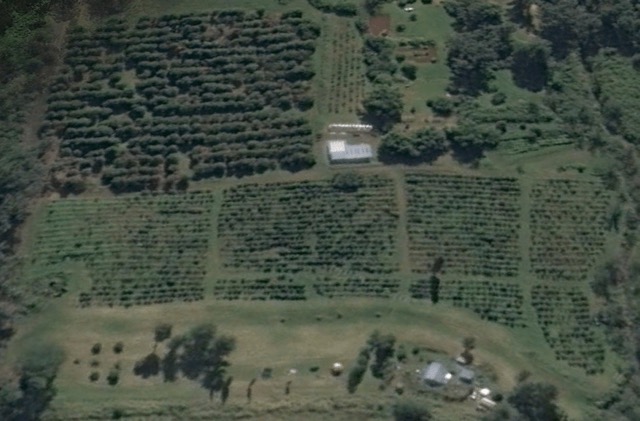
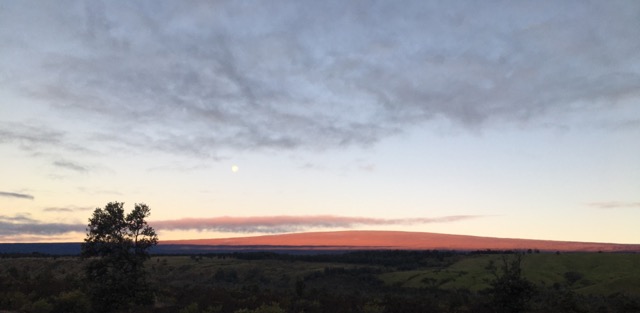
Settled in the secluded southern slopes of Mauna Loa, our 20 acre farm located in a place called Wood Valley was purchased by Grandma Lilly in 2000; this was the foundation of F.L. Farm. At the time, she did not know that this place was part of the ancestral homeland connected to her grandson’s Hawaiian family line.
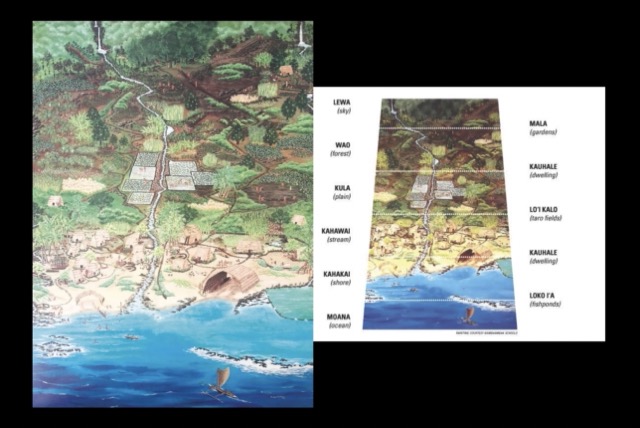
Over time, this valley has been filled with gardens of kalo, banana, coffee, macadamia nut, sugar cane, and sweet potato, along with thousands of native plants which were used for food, medicine, tools, and more.
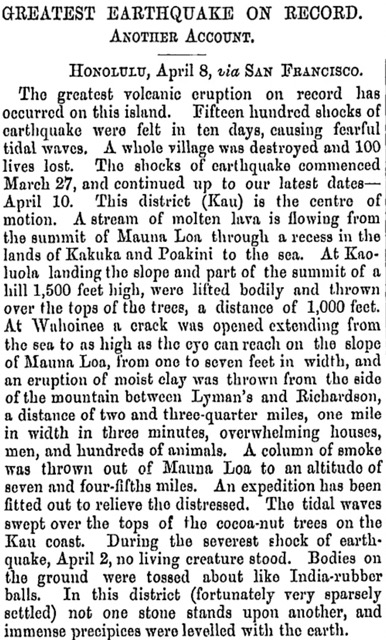
In 1868, roughly 30 years after mass sugar cane production became prevalent across the island and in this valley, there was a catastrophic event: the Ka’ū region experienced the largest recorded earthquake in Hawaii’s history, triggering a tsunami as well as a devastating landslide that stretched for miles through our valley, swallowing land, homes, livestock, and close to 100 human lives.
Read More About the Quake:
link 1 :: link 2 :: link 3 :: link 4
Legend speaks of the Hawaiian Kanaka’ole family line being born from this tragedy, when a single young man returned to his valley home to find his family swallowed by the landslide in 1868; as the last living member of his family, he took up the new name Kanaka’ole - which essentially translates to No More Man, or Last Man.
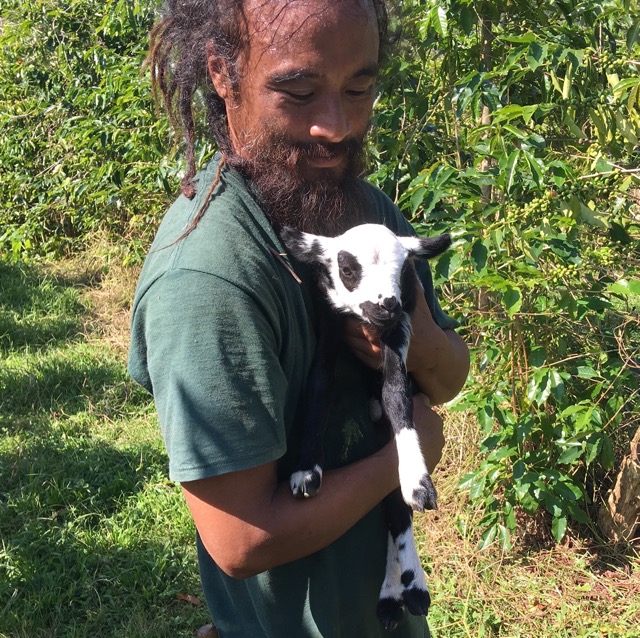
The current steward of F.L. Farm learned of his own blood connection to the land after taking charge of his Grandmothers farm, studying the history of the region, and learning that he stands with respect on the bones of his ancestors every day single day. The enlightening and humbling study of the land he works on lead Poco, the current steward of the land, to discover the true name of this valley:
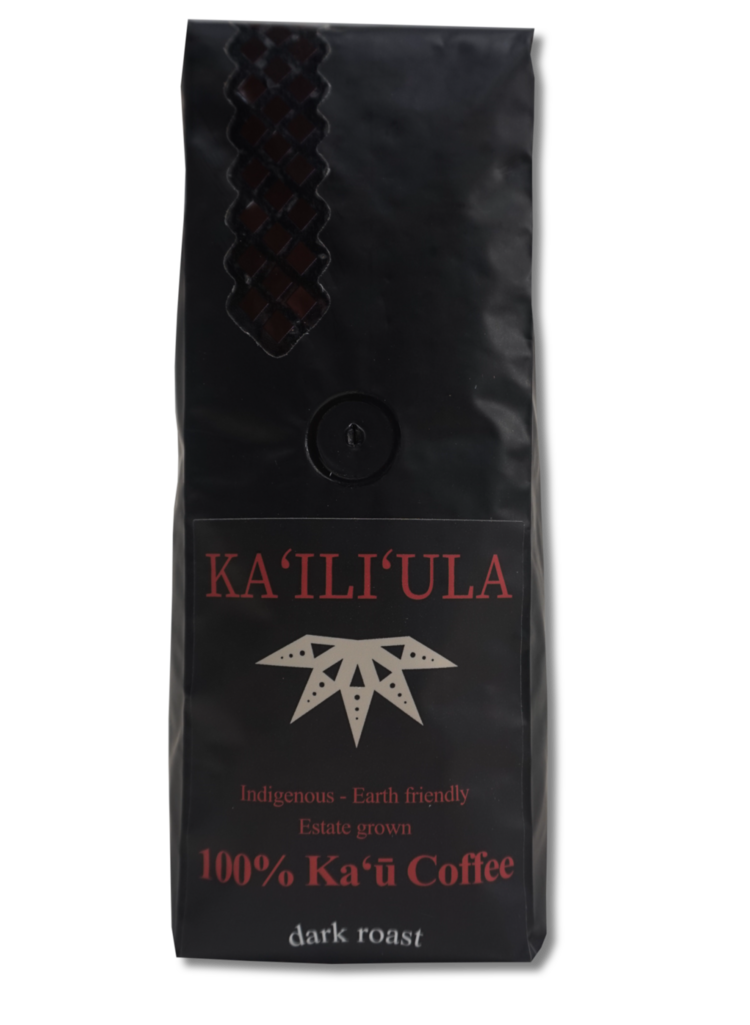
Ka’ili’ula -The Red Hill.
 This is a place where poison is not an option, and healing instead is the only way forward in caretaking this land with Aloha. The intention is to return to the practices of ancient Hawaiians: listening to the plants and animals, the elements, and the ancestors. There is no poison sprayed on this land. The trees are not forced to produce for us. We Malama them and we say Mahalo when they give us the gift of their fruit (their hua).
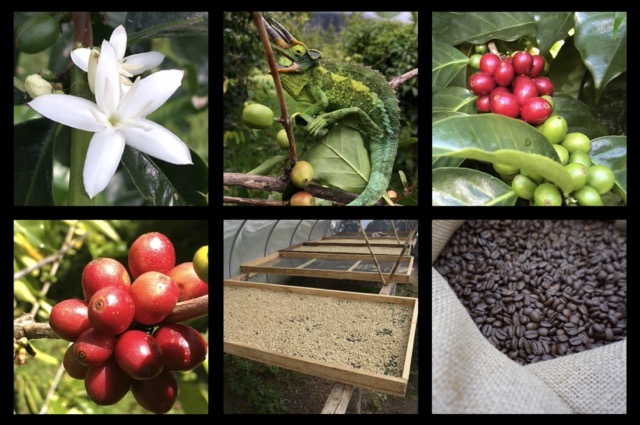
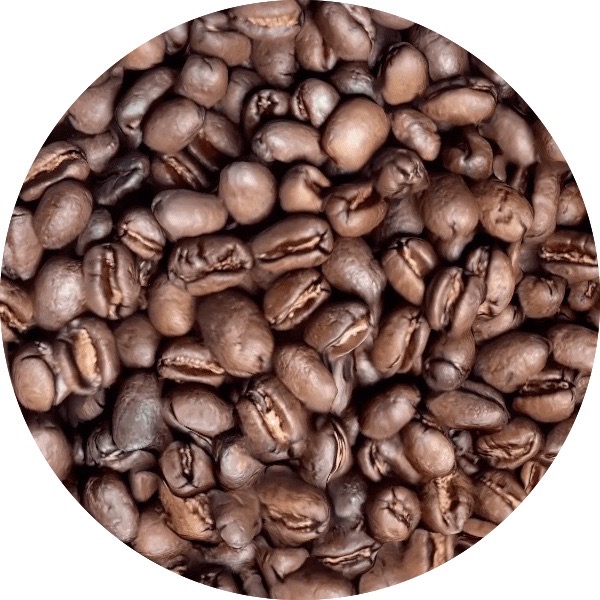
The result is a coffee bean produced in a natural environment with hawks, owls, goats, sheep, cattle, chickens, pheasants, lizards, spiders, and more all coexisting in a fertile volcanic valley. The coffee is watered by natural rains nearly every afternoon, hand picked when ripe and ready, and wet-processed in-house using volcanically filtered water to pulp and wash every bean before naturally sun drying for at least 2 weeks to an optimal moisture content.
These carefully collected beans, still in their parchment skin, are sealed and stored in air-tight grain bags, in a burlap sack, stored in a dry barn before being hulled, graded, and roasted for consumption.
Ka’ili’ula coffee carries award-winning sweet notes along with rich and delicious flavors that are yours to perceive when you try a cup of hot or cold brewed coffee; we know you’ll enjoy this unique bean for all it’s worth no matter how you choose to prepare and consume the gifts from this fertile Hawaiian land.
Aloha & Mahalo - from the team at Ka’ili’ula Coffee.
Order Now